How to Create Marketing Content That Actually Converts Guests: A Guide for Hotels and Restaurants
Most hospitality marketing content looks exactly the same: "cozy vibes," "farm-to-table," "hidden gem," "locally inspired." If your content sounds like everyone else's, it won't capture attention, let alone drive bookings. Here's how to create marketing content that makes your property unmistakable and converts browsers into bookers.
Why Generic Content Fails in Hospitality
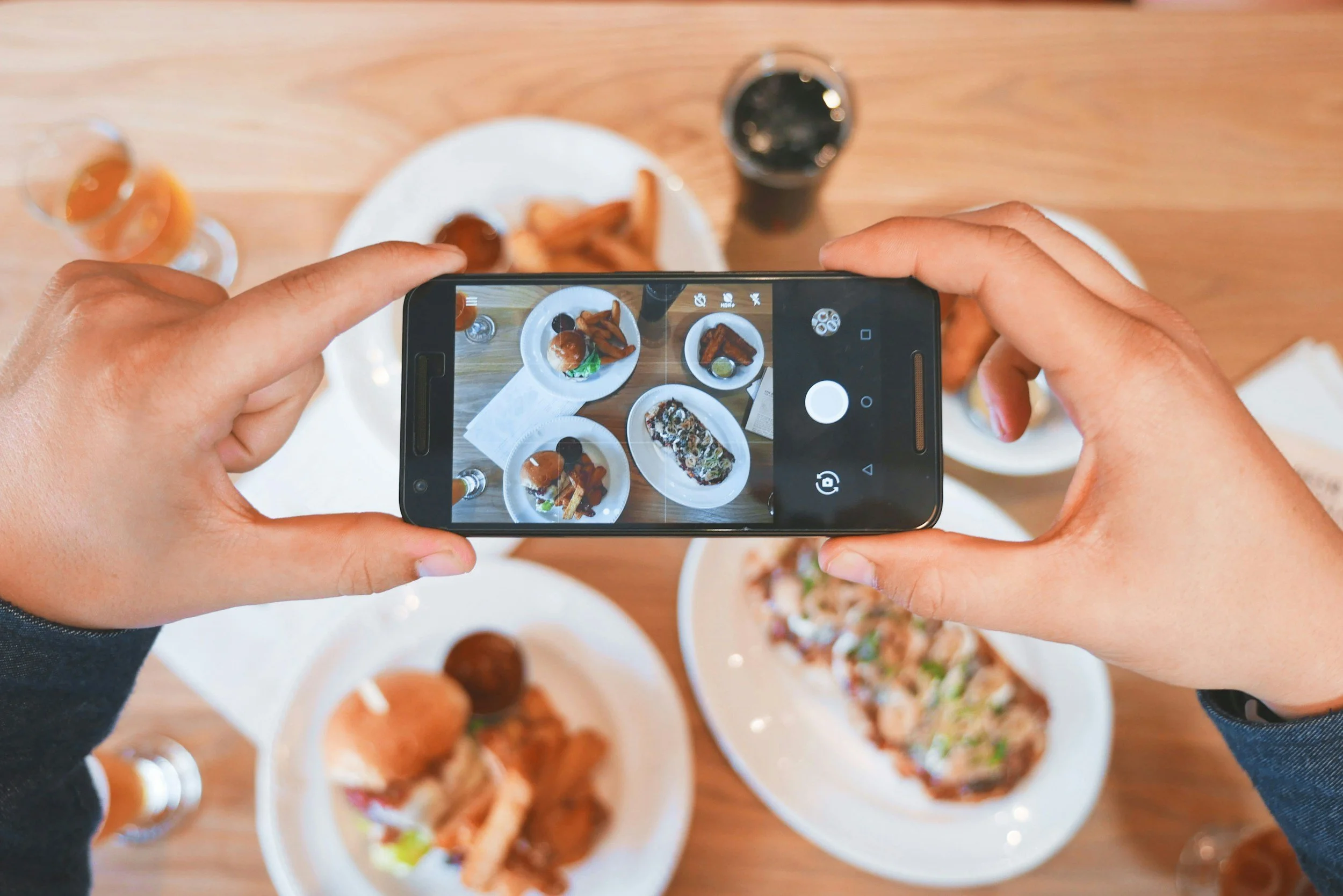
The hospitality industry grew to $4.9 trillion in 2024SiteProNews, and with that growth comes intense competition. When every boutique hotel calls itself a "hidden gem" and every restaurant touts "locally-sourced ingredients," these phrases lose meaning. To stand out in a market where 61% of travelers have booked a hotel after seeing it on Instagram (OysterLink), your content needs to be specific, strategic, and unmistakably you.
1. Know Your Guest, Not Just Demographics
Understanding your audience goes deeper than "millennials who travel" or "couples celebrating anniversaries." According to Expedia Group's Path to Purchase research, travelers view 141 pages of travel content in the 45 days prior to booking, as high as 277 pages for U.S. travelers (Expedia). With that much content consumption, you need to know what makes them stop scrolling and start booking.
Go beyond demographics to psychographics:
For Hotels:
Why are they traveling? (Milestone celebration, digital detox, adventure base camp, romantic escape, business, events)
What do they value? (Privacy, Instagrammable moments, local experiences, luxury amenities)
What problems are they solving? (Need to unplug, celebrating milestone, exploring new city, need to work and enjoy)
For Restaurants:
What occasions bring them in? (Date night, business dinners, celebrations, casual weekly dining)
What matters most? (Ambiance, menu creativity, dietary accommodations, exclusivity)
What influences their choice? (Chef reputation, Instagram presence, friend recommendations, menu options)
How to research your audience:
Mine your guest reviews for language patterns and repeated phrases
Survey past guests about why they chose you and what they loved most
Track which social posts get the most saves and shares (not just likes)
Ask at check-in or during service: "What made you choose us?"
Analyze booking patterns: when guests book, how far in advance, what packages they choose
Expedia's research found that nearly three in five travelers don't have a specific destination in mind when they start planningExpedia, meaning your content needs to inspire and convince, not just inform.
2. Be Specific, Not Generic, And Leverage Your Guests' Stories
Generic content is forgettable. Specific content is shareable. And content created by your guests? That's the most powerful of all.
According to CrowdRiff's 2024 UGC report, 92% of travelers trust user-generated content more than brand advertising. This isn't surprising when you consider that authentic guest experiences feel more credible than polished marketing copy.
Case Study: Loews Hotels' #TravelForReal Campaign
When Loews Hotels wanted to break through the "sea of sameness" in hospitality marketing, they launched #TravelForReal in 2015, a campaign built entirely from guest Instagram photos rather than professional photography.
As Skift reported, Loews' Chief Marketing Officer Bruce Himelstein said: "I could take every lodging's marketing campaign, blow it up and put it on the wall, and I could remove the logos and interchange them. There's the lady with the stones on her back at the spa and there's the couple by the pool...It's a sea of sameness"Skift.
To stand out, Loews curated content from 38,000 images that mentioned or hashtagged their properties, featuring real guests in their advertising across print, digital, and booking pages. The campaign's tagline "Because Nobody Tells Our Story Better Than You" positioned guests as the authentic voice of the brand.
The campaign gave Loews "an authenticity that wasn't possible to get out of traditional visuals," taking travel from aspirational to actionablie, with the implicit message: "if that person could do it, so can you."
How to apply this to your property:
Hotels - Specific vs. Generic:
Generic: "Enjoy our cozy rooms with modern amenities"
Specific: "Every room has a reading nook with vintage velvet chairs we sourced from estate sales across Colorado"
Restaurants - Specific vs. Generic:
Generic: "Farm-to-table ingredients"
Specific: "Our sommelier visits Jacobs Farm every Tuesday to select produce for that week's menu—sometimes you'll see dirt still on the carrots"
Content types that drive engagement:
Behind-the-scenes stories showing your team and processes
Staff spotlights highlighting unique expertise
Guest journey content with specific, memorable details
Neighborhood guides sharing your team's actual favorite spots
Origin stories explaining your design choices, menu inspiration, location selection
Signature series that surprise and delight, play up your brand’s personality or add inspiration for their trip.
3. Stay Consistent Across Channels
Consistency doesn't mean posting the same content everywhere, but it does mean that your brand personality stays recognizable no matter where guests encounter you.
When guests see you show up reliably with quality content, they trust you'll show up with quality hospitality too.
What consistency looks like:
Voice and tone: If your Instagram captions are witty and irreverent, your email newsletters should match that energy. Your brand personality should be unmistakable across all channels.
Visual identity: Your Instagram grid, website imagery, and email headers should feel cohesive. Photography style, colors, and design elements should belong to the same brand story.
Common Content Mistakes Hospitality Brands Make
Posting without purpose: According to Amadeus Hospitality's 2024 survey, 41% of hoteliers acknowledge the effectiveness of data-driven advertising campaignsAmadeus Hospitality, yet many properties post content without clear goals. Every piece should drive bookings, build your email list, showcase differentiation, or drive engagement.
Ignoring what performs: If your "day in the life" Reels get 10x more engagement than promotional posts, make more of what works.
Trying to be everywhere: Pick 2-3 platforms where your guests actually are. 32% of consumers have booked an accommodation they discovered on TikTok (OysterLink), but that doesn't mean every property needs to be there.
Talking only about yourself: Mix promotional content with valuable content. The 80/20 rule works: 80% value and personality, 20% direct promotion.
Never showing people: Properties are beautiful, but guests book experiences. Show people enjoying your space.
Forgetting CTAs: Make it easy for interested followers to book with clear calls-to-action.
Measuring What Works
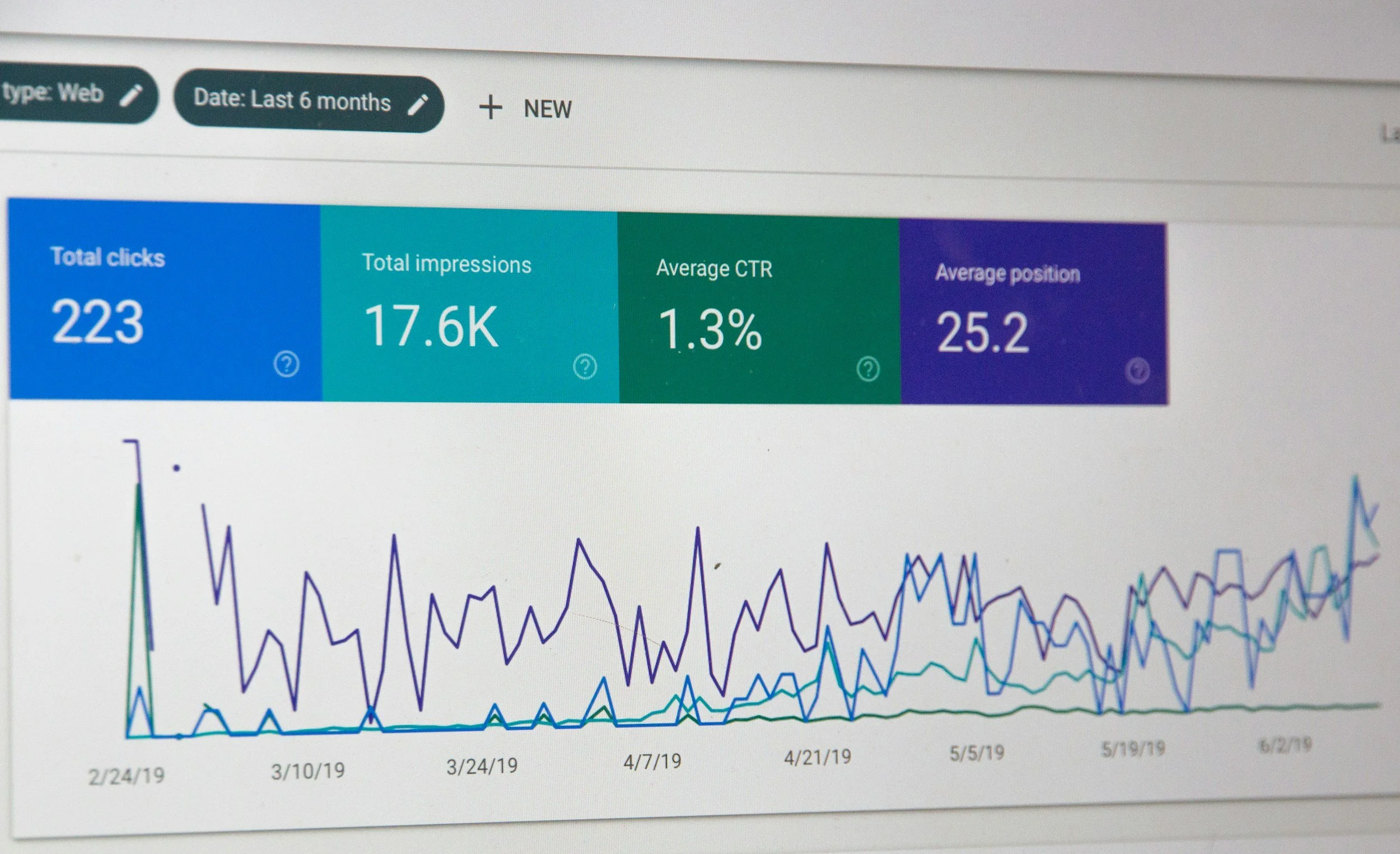
Don't just create content if you’re not willing to track what drives action. According to industry research, 38% of hoteliers value understanding where guests search and book when building media strategies Amadeus Hospitality.
Key metrics to track:
Engagement quality: Saves and shares signal "I want to come here" more than likes
Traffic sources: Use Google Analytics to see which content drives website visits
Conversion tracking: Tag all links with UTM parameters to see which posts or emails led to bookings
Follower quality over quantity: 1,000 engaged followers who book beats 10,000 who never convert
Ready to Build Content That Converts?
Creating content that stands out requires strategy, consistency, and deep understanding of your guests. At Pollinate Marketing, we help boutique hotels and restaurants build content strategies that feel unmistakably like them, and drive measurable bookings.
Schedule a Discovery Call or Sign Up for Our Newsletter
Related Topics: Hotel content marketing, restaurant social media strategy, hospitality brand storytelling, Instagram for hotels, UGC campaigns, user-generated content hospitality, content that drives bookings
Sources:
Expedia Group, "Path to Purchase Research" (2024)
Oysterlink, "Hospitality Social Media Marketing: Trends & Strategy 2025"
Skift, "Loews Hotels Ad Campaign Uses Guests' Instagram Photos to Refresh the Brand" (2015)
CrowdRiff, "2024 UGC Report"
Amadeus Hospitality, "Hospitality's Tech Surge: Riding The 2024 Digital Marketing Wave"
Revinate, "Hotel email marketing: The ultimate guide for hoteliers" (2025)
SiteProNews, "Impactful Trends in Hospitality and Tourism Marketing" (2025)
Need Help Measuring and Optimizing Your Marketing?
At Pollinate Marketing, we build data-driven strategies for boutique hotels and restaurants. With clear tracking from marketing spend to bookings and revenue. No vanity metrics, no guesswork.