
Trending Hotel & Restaurant Content: TikTok & Instagram 2026
TikTok and Instagram Reels have fundamentally shifted how travelers and diners discover hospitality brands. In 2026, short-form video is the primary discovery engine for hospitality, but the rules have changed dramatically. Polished, cinematic brand content has lost its potency, replaced by raw, sensory-rich "vibe checks," authentic staff moments, and searchable shorts designed to answer specific traveler queries. For hotels, the winning format is immersive experience storytelling tied to the "Whycation" era of intentional travel. For restaurants, it's personality-driven kitchen theater and trend-reactive content that turns cravings into foot traffic. This report covers the most powerful trending themes, content formats, and tactical frameworks for both verticals across TikTok and Instagram in 2026.
The Platform Landscape in 2026
TikTok as a Search Engine
TikTok has fully evolved into a search and discovery engine for the hospitality industry. Over 40% of Gen Z users now use TikTok instead of Google to find restaurants, and millions of travelers search TikTok for phrases like "best hotel in [city]" or "romantic spa weekend near me". This means content must be designed with search intent in mind — not just aesthetics or entertainment.
The algorithm analyzes visuals (computer vision identifies "pool," "cocktail," "luxury bedding"), audio (voice-to-text transcription reads voiceovers), and text (captions and on-screen overlays). If a hotel wants to rank for "best honeymoon suite," the video must literally show a couple, include a voiceover with those words, and use on-screen text overlays with those keywords.
Instagram's Continued Strength
Instagram saw a 6% increase in usage from April to August 2025, driven heavily by Reels. It remains the second most-used platform for Gen Z after YouTube, making it essential for restaurant and hotel brands targeting millennials and Gen Z. Time spent watching video on Instagram has grown more than 20% year-over-year globally, with algorithms increasingly optimized around relevance and recommendations over follower count.
The Death of Polished "Hero" Videos
The cinematic drone-shot hotel videos of the early 2020s are now actively viewed as ads and ignored. The new currency is the vibe check: raw, sensory-rich 15-60 second snippets that convey a specific mood. Audiences trust real, unfiltered guest experiences over perfectly staged brand content. Content that mimics user-generated aesthetics consistently outperforms professional brand assets in the algorithm.
Hotel Content Trending Themes & Formats
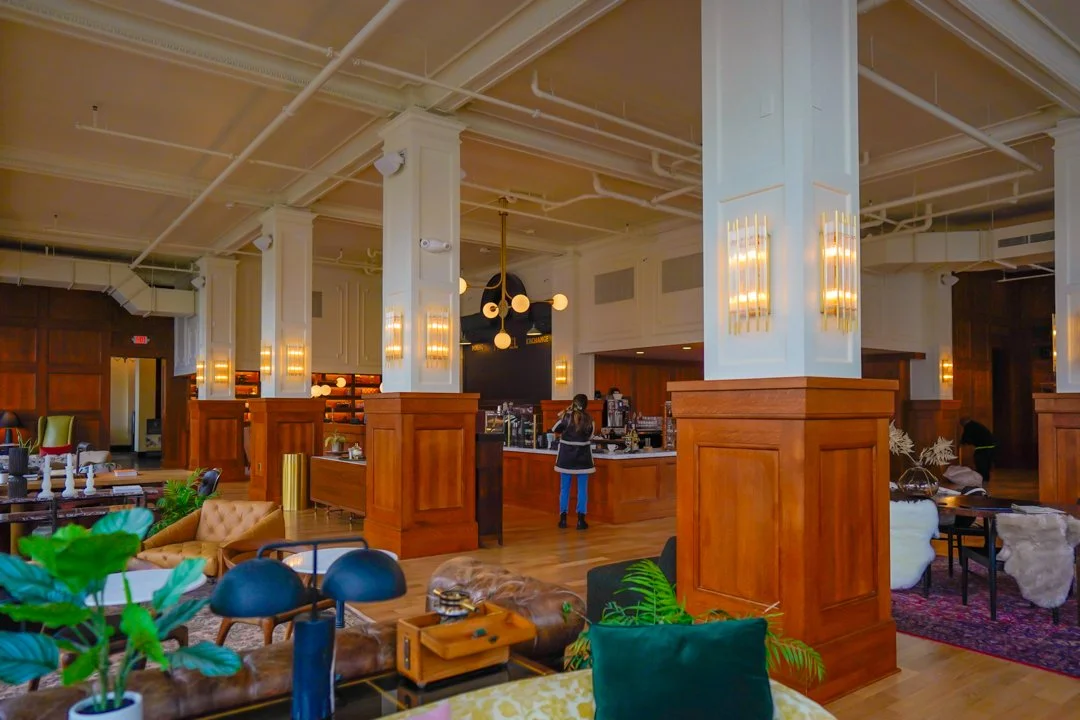
Top-Performing Hotel Content Types in 2026
| Content Type | Format | Why It Works | |||||||||||||||||||||||||||||||||
|---|---|---|---|---|---|---|---|---|---|---|---|---|---|---|---|---|---|---|---|---|---|---|---|---|---|---|---|---|---|---|---|---|---|---|---|
| “Come with me” stay experience | POV Reel/TikTok | Lets viewers experience the stay vicariously | |||||||||||||||||||||||||||||||||
| Honest room & suite walkthroughs | Slow walkthrough video | More trusted than staged tours | |||||||||||||||||||||||||||||||||
| Transformation videos (day to night) | Before/after Reel | High visual contrast = high retention | |||||||||||||||||||||||||||||||||
| Staff-led local recommendations | Talking-head or B-roll | Adds personality and local authority | |||||||||||||||||||||||||||||||||
| Location & destination content | Mini-itinerary Reel | Positions hotel as gateway to wider experience | |||||||||||||||||||||||||||||||||
| Arrival/check-in moment reveal | Single-shot POV | Emotional payoff triggers saves and shares | |||||||||||||||||||||||||||||||||
| ASMR luxury details | Close-up sensory video | Signals luxury without saying it | |||||||||||||||||||||||||||||||||
| Quick FAQ answered on camera | Talking-head 30-sec | Talking-head 30-sec |
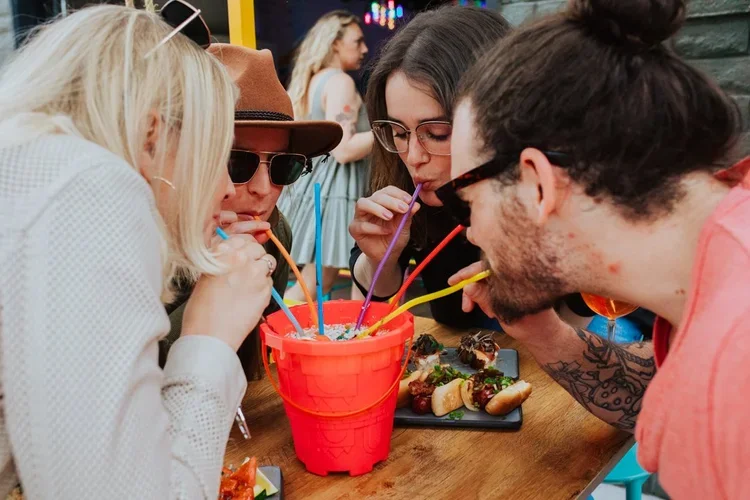
| Content Type | Format | Why It Works |
|---|---|---|
| Kitchen/Chef theater | 15-30 sec sear/flame/plating | Sensory and viscerally satisfying |
| First-bite guest reactions | Table-level candid | Emotional authenticity; impossible to fake |
| “One plate, one story” | Dish from prep to pass (10 sec) | Craveable and shareable |
| Before/after service contrast | Calm opening vs. mid-service energy | High contrast drives TikTok retention |
| Staff personality content | Day-in-the-life, staff spotlight | Humanizes brand; builds loyalty |
| Menu walk-through | 60-sec rapid showcase of 5-7 dishes | Strong cornerstone discovery content |
| “Hidden gem” local framing | Discovery-style narrative | Attracts new audiences actively looking |
| Tableside experience theater | Flambe, carving, liquid nitrogen | Shareable spectacle |
| Trending sound + food prep | ASMR kitchen sounds, trending audio | 50-70% of viral content uses trending audio |
| Comment reply videos | Short answer to guest question | Community signal + discovery algorithm boost |
The Virality Formula for Restaurant TikTok
According to 2026 data, 55% of TikTok users visit a restaurant after seeing its menu content, and 51% dine out specifically because of restaurant content they saw on TikTok. The algorithm rewards:
Hook within 1-3 seconds — slow openings get scrolled past
Trending audio — using trending sounds can 3-5x reach
Authentic, unpolished visuals — raw content outperforms professional production
Personality-led content — faces, voices, real reactions
Surprising or unexpected moments — a tableside carving, an unexpected garnish, a kitchen reveal
The mindset shift: "On Instagram, you're creating a polished feed. On TikTok, you're making content that entertains first, sells second."
Trending Food Themes & Ingredient Stories (2026)
TikTok and Instagram are actively rewarding food content with texture, heat, floral notes, and "better-for-you" twists. The most viral-worthy food categories in 2026 include:
Heritage & Global Cuisines on the Rise:
Traditional Levantine, Kurdish, and Turkish cuisines: Lahmacun, Shawarma, and Tteokbokki street food are generating strong social engagement
Asian fusion from third-generation entrepreneurs (UFO Korean burgers, dumpling lasagna, scallion pancake croissants)
Small plates/tapas renaissance: sharing culture, pintxos, communal eating formats
Trending Ingredients & Presentations:
Whole-food proteins: Greek Skyr, Turkish ayran yogurt, ghee fat-wash
Tang and crunch: black lime (loomi), chili-crunch toppings, tamarind & calabrian chile glazes
Umami upgrades: sourdough brioche, gut-friendly paté, seacuterie boards with anchovy butter toast
Edible wildflowers, bergamot, lemongrass in both food and drinks
Mosaic salads, fruit-shaped desserts, and scroll-stopping visual presentations
Wellness & Functional Beverage Content:
Low-ABV and NA cocktails are a growing content category, with bars showcasing mocktails, kombucha-based drinks, and adaptogen-infused beverages
The "Sleepy Girl Mocktail" trend (tart cherry juice + magnesium) established that wellness beverage content goes viral and drives immediate ordering behavior
Functional drinks with visible ingredients (edible flowers, shaved ice, botanical garnishes) are highly photo/video-ready
Experience-First Dining:
Tableside flambe, smoke effects, liquid nitrogen cocktails, and visible cooking theater are being actively sought out and filmed by diners
Immersive and theatrical dining experiences — 3D projection dining, themed environments, and open kitchen concepts — perform as organic social content engines
Employee-Generated Content (EGC): The Underused Asset
Staff-led content — what marketers are now calling EGC (Employee-Generated Content) — is one of the most underused and highest-performing assets for restaurants in 2026. High-performing EGC formats include:
Bartender picks: One drink, one sentence, filmed behind the bar
Chef's choice: What the chef would order on a night off
Service myths: Light humor about hospitality life, extremely well-received on TikTok
"Day in the life of a line cook" or "How our bartender makes our signature cocktail": These build brand connection and team personality
This content doesn't need to feel influencer-led. The more natural and unscripted it feels, the better it performs.
Sample Weekly Restaurant Content Calendar
DayContent TypeExample AngleMondayPOV motivation"POV: Monday lunch hits different here" + sizzle reelTuesdayKitchen theater30-sec plating video with trending audioWednesdayMenu walk-through60-sec rapid showcase of 5-7 dishesThursdayStaff spotlight"Meet our chef" personality clipFridayWeekend anticipationTrending audio + weekend specials revealSaturdayLive energySaturday night vibes — full dining room, real momentsSundayGuest reactionFirst-bite reactions with consent
Cross-Platform Strategy — What Works on Both
UGC vs. EGC vs. Brand Content: The 2026 Trust Hierarchy
Content TypeTrust LevelBest PlatformProduction CostGuest UGC (organic)HighestBothZeroEGC (staff-led)HighTikTok > IGLowMicro-influencer collabHighBothMediumBrand-produced (authentic)MediumIG > TikTokMediumPolished brand/ad contentLowIG paidHigh
Community Formats: The Algorithm Signal Most Brands Miss
Social media in 2026 is not just about posting — it's about responding. Community-driven content signals relevance to algorithms and helps properties appear in AI-driven recommendations and summaries:
Comment reply videos: Reply to guest questions with short videos (massive engagement signal)
Stories Q&As: Menu questions, event updates, dietary options
Polls and "this-or-that": Low effort, high interaction
User shout-outs: Reward engaged followers publicly
Many bookings happen silently after interactions — ignoring comments and DMs is one of the most costly missed opportunities in hospitality social.
Carousels as the Clarity Tool
While video dominates, Instagram carousels still earn strong reach — especially for informative content — because they're heavily surfaced in Explore and recommendations. Best uses for hospitality:
"Top 5 orders for first-time guests"
Seasonal menu breakdowns
"What to do near [hotel/restaurant]" guides
Allergy-friendly and dietary option explainers
Part 5: Emerging Themes to Watch — H2 2026
Wellness & Slow Travel Content: "Silent stays," digital detox experiences, and reading retreats are shifting from niche to mainstream. Content positioning rest and restoration — not activities and amenities — is resonating strongly with burned-out millennial and Gen X travelers.
Sober-Inclusive Hospitality: The rise of NA cocktail culture is creating a new content category: showcasing intentional, thoughtful non-alcoholic beverage programs as a luxury and community-building signal, not a compromise. This is particularly relevant for restaurant bar programs.
Pop-ups and Chef Residencies: Limited-time chef collaborations and pop-up events are both content-generating moments and traffic drivers. Teasing, launching, and recapping these events across TikTok and Reels is a high-engagement format.
Fusion Mashups: TikTok's 2026 Discover List spotlighted fusion mashup content — dumpling lasagna, scallion pancake croissants, and other unexpected hybrids — as one of the strongest performing food content categories. Restaurants participating in this trend (either on their own menus or by recreating viral formats) see strong discovery reach.
AI-Assisted but Human-Led Content: 28% of consumers are negative toward AI-generated marketing, and more than 30% are less likely to choose a brand if its advertising is AI-generated. The safe strategy: use AI for post-production efficiency (captions, hashtag research, ad creative variations) but keep the face-to-camera content, reactions, and storytelling entirely human.
Key Metrics to Track in 2026
Moving beyond vanity metrics (follower counts, likes), hospitality brands should measure content performance by behavior:
Save rate: Highest signal of genuine travel/dining intent
Video retention rate: Indicates hook and content quality
Profile visits from video: Indicates conversion potential
DMs and comment volume: Community health signal
Bookings/reservations mentioning TikTok: Direct attribution
Branded search uplift: Measures awareness building over time
Common Content Mistakes Hospitality Brands Make
Posting without purpose: According to Amadeus Hospitality's 2024 survey, 41% of hoteliers acknowledge the effectiveness of data-driven advertising campaignsAmadeus Hospitality, yet many properties post content without clear goals. Every piece should drive bookings, build your email list, showcase differentiation, or drive engagement.
Ignoring what performs: If your "day in the life" Reels get 10x more engagement than promotional posts, make more of what works.
Trying to be everywhere: Pick 2-3 platforms where your guests actually are. 32% of consumers have booked an accommodation they discovered on TikTok (OysterLink), but that doesn't mean every property needs to be there.
Talking only about yourself: Mix promotional content with valuable content. The 80/20 rule works: 80% value and personality, 20% direct promotion.
Never showing people: Properties are beautiful, but guests book experiences. Show people enjoying your space.
Forgetting CTAs: Make it easy for interested followers to book with clear calls-to-action.
Measuring What Works
Don't just create content if you’re not willing to track what drives action. According to industry research, 38% of hoteliers value understanding where guests search and book when building media strategies Amadeus Hospitality.
Key metrics to track:
Engagement quality: Saves and shares signal "I want to come here" more than likes
Traffic sources: Use Google Analytics to see which content drives website visits
Conversion tracking: Tag all links with UTM parameters to see which posts or emails led to bookings
Follower quality over quantity: 1,000 engaged followers who book beats 10,000 who never convert
Ready to Build Content That Converts?
Creating content that stands out requires strategy, consistency, and deep understanding of your guests. At Pollinate Marketing, we help boutique hotels and restaurants build content strategies that feel unmistakably like them, and drive measurable bookings.
Schedule a Discovery Call or Sign Up for Our Newsletter
Related Topics: Hotel content marketing, restaurant social media strategy, hospitality brand storytelling, Instagram for hotels, UGC campaigns, user-generated content hospitality, content that drives bookings
