Your Restaurant Might Not Have a Food Problem; It Might Have a Positioning Problem.
"The food is great." It's one of the most common things restaurant owners say when they're trying to explain why business isn't where it should be. Usually it's true. The kitchen is dialed in, the reviews back it up, regulars rave about specific dishes. But tables that should be full on a Friday night are half empty, and a new spot two blocks over is already booked out a month in advance, serving food that honestly isn't any better.
When we hear "our food is great, but people don't know we're here," the instinct is to treat it as an awareness problem. Post more. Run ads. Get in front of more people. But awareness only solves the problem if what people find once they know you exist gives them a reason to pick you over the restaurant next door. Most of the time it doesn't, not because the food isn't good, but because nothing about how the restaurant describes itself actually says anything.
The Words Every Restaurant Reaches For
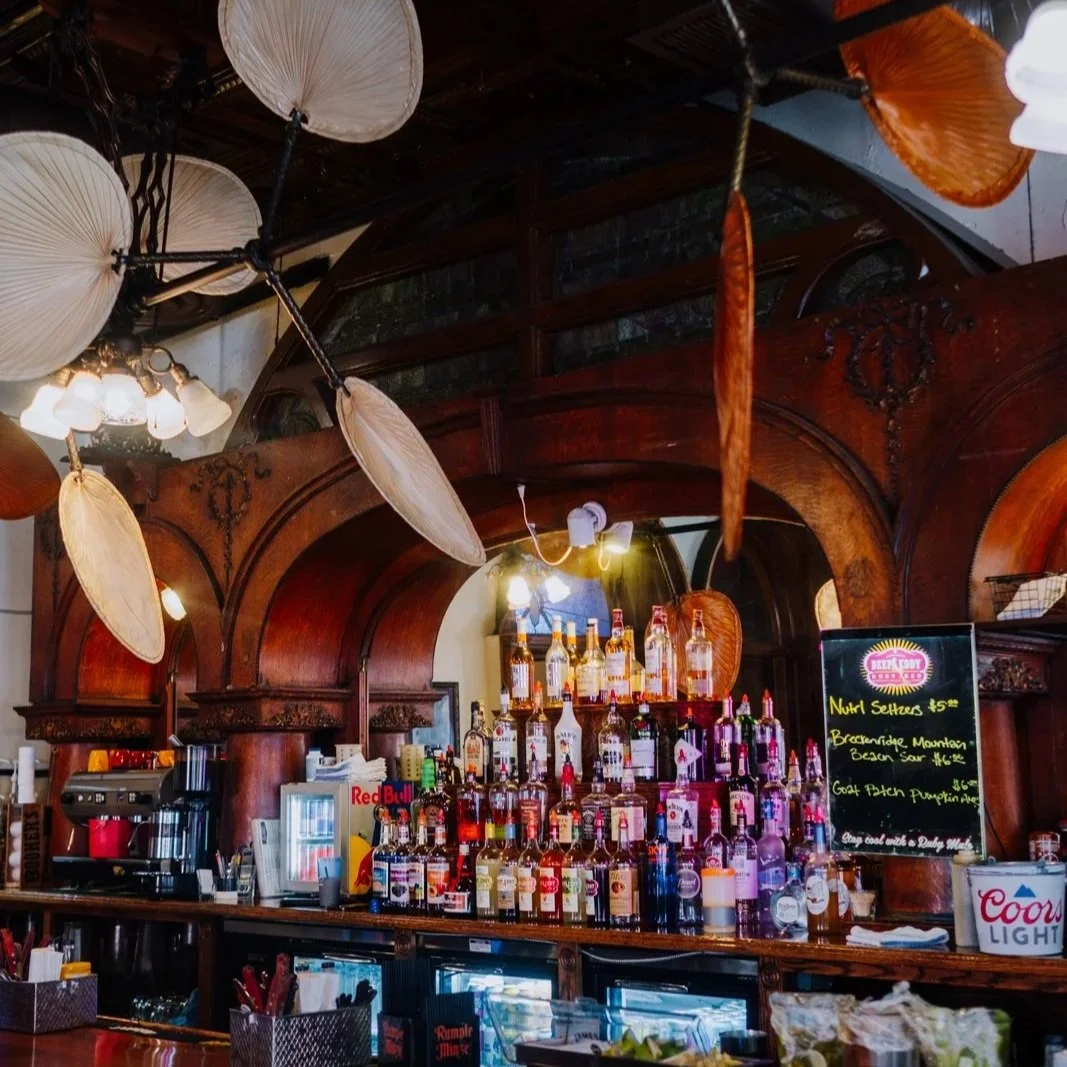
Ask ten independent restaurant owners in the same neighborhood what makes their place special, and you'll hear some version of the same five things back: great food, fresh ingredients, local, a unique atmosphere, something for everyone. None of it is inaccurate. All of it is common enough to be meaningless. "Fresh ingredients" describes nearly every serious kitchen in the country. "Something for everyone" sounds inclusive, but it also means there's no one who would specifically drive across town for it. These aren't bad words, they're just not positioning your restaurant as the best choice. They describe quality, not identity, and quality alone rarely gets someone off their couch when a dozen other places nearby are serving quality too.
Being Known Isn't the Same as Being Chosen
This is the distinction that gets missed most often, and it's worth sitting with directly. "People need to know we exist" is an awareness problem. "People need to understand why we're the restaurant they should choose" is a restaurant positioning problem. The two sound similar, but they are not solved the same way.
More visibility without a clear answer to that second question just means more people discover, more quickly, that there isn't an obvious reason to pick you. A boosted Instagram post can put a restaurant in front of five thousand more people this month. If the caption says "great food, great vibes, come check us out," those five thousand people now know the restaurant exists and still have no idea why it matters to them specifically. Awareness built on generic language doesn't create demand. It just speeds up how quickly people confirm you sound like everywhere else.
Where Positioning Actually Shows Up
Positioning isn't a paragraph on an About Us page. It's the thing that either gets communicated or gets missed in every decision a restaurant makes about how it presents itself.
It shows up before someone ever walks in the door. The photography either shows a specific kind of experience or defaults to well-lit plates that could belong to any restaurant in the city. The social content either has a point of view about food, community, or atmosphere, or it becomes a rotation of dish photos with no throughline connecting them. The website copy either tells someone what kind of night they're signing up for or lists amenities the way every other hospitality template does. Even the menu itself communicates positioning, not just through the food but through how it's organized, priced, and described.
It also shows up after someone has already experienced it. The guest experience either reinforces the identity the marketing promised or quietly contradicts it. Reviews start to echo whatever language the restaurant uses about itself, or they stay generic, good food, friendly staff, because there was never anything specific enough to repeat. Word of mouth depends on whether a guest has a distinct enough story to tell someone else; "you have to try this place" needs an ending. Offers and promotions either reinforce that identity or quietly work against it, training guests to wait for a discount instead of giving them a reason to come back at full price. Events either feel like a natural extension of what the restaurant already is, or they feel borrowed from an idea that worked somewhere else.
None of this is a separate marketing task to check off. It's all downstream of the same question: does this restaurant know what it's actually offering beyond good food, and is that answer showing up consistently everywhere a guest encounters it?
Two Restaurants, Same Food Quality, Completely Different Identities
Picture two neighborhood restaurants a few blocks apart. Both are independently owned. Both have talented kitchens. Both would score well on a blind taste test.
The first describes itself the way most restaurants do: great food, fresh ingredients, warm atmosphere, something for everyone. Its Instagram is a steady stream of plated dishes captioned "Friday night done right." Its website has a rotating hero image and a menu PDF. It runs a happy hour discount during the week to keep tables full during slow stretches.
The second has decided it's the restaurant for people who grew up eating food like this from their grandparents and can't find it anywhere that isn't fine dining. Its photography leans into texture and process, hands working dough, a technique passed down rather than invented. Its captions reference the tradition behind a dish, not just the dish itself. Its menu descriptions explain why a recipe is made a certain way instead of just naming the ingredients. It doesn't run constant discounts, because it isn't trying to win on price. It's trying to be the specific answer to a specific craving.
Both restaurants could genuinely have equally good food. Only one of them gives someone an actual reason to choose it over the four other decent options in the neighborhood. The first restaurant is known. The second is chosen.
What This Actually Means for Your Restaurant
Awareness without differentiation doesn't reliably create demand. It just puts more people in front of a decision they don't have enough information to make in your favor. If your food is genuinely good and the marketing still isn't translating into full tables, the more useful question usually isn't which channel to try next. It's whether your restaurant has ever clearly answered why someone should choose it over the place next door, and whether that answer shows up the same way in your photography, your menu, your social content, and the story your regulars actually tell their friends.
A few questions worth sitting with honestly before spending on another campaign: If a guest described your restaurant to a friend using only what's on your website and Instagram, would it sound different from three other restaurants nearby? Does your menu, your photography, and your social content all point toward the same identity, or does each seem to be making a different pitch? When you run a promotion, is it reinforcing why guests should choose you, or is it quietly telling them that price is the only reason?
None of these questions have a universal answer. A fine-dining concept, a neighborhood brewery, and a fast-casual spot will answer them completely differently, and they should. But every one of them needs an answer specific enough to actually be memorable, because "great food" was never going to be it.
Ready to Turn Your Marketing Into a Full Dining Room?
If you're already making food people genuinely love and still trying to figure out why it isn't filling the dining room, that's usually not a marketing volume problem. It's worth working through what your restaurant is actually offering beyond quality, and whether that identity is showing up consistently everywhere a guest meets it. That's the kind of conversation we find ourselves having with restaurant owners more often than almost any other.
Here at Pollinate Marketing, we build data-driven strategies for boutique hotels and restaurants, with clear tracking from marketing spend to bookings and revenue. No vanity metrics, no guesswork!
Book a discovery call today